

Safety Guidelines

Medical Safety
Stay calm and assess the situation. Call emergency medical services immediately, provide basic first aid if you are trained, and avoid moving injured persons unless they are in immediate danger. Keep emergency contact numbers readily available and follow healthcare professionals.
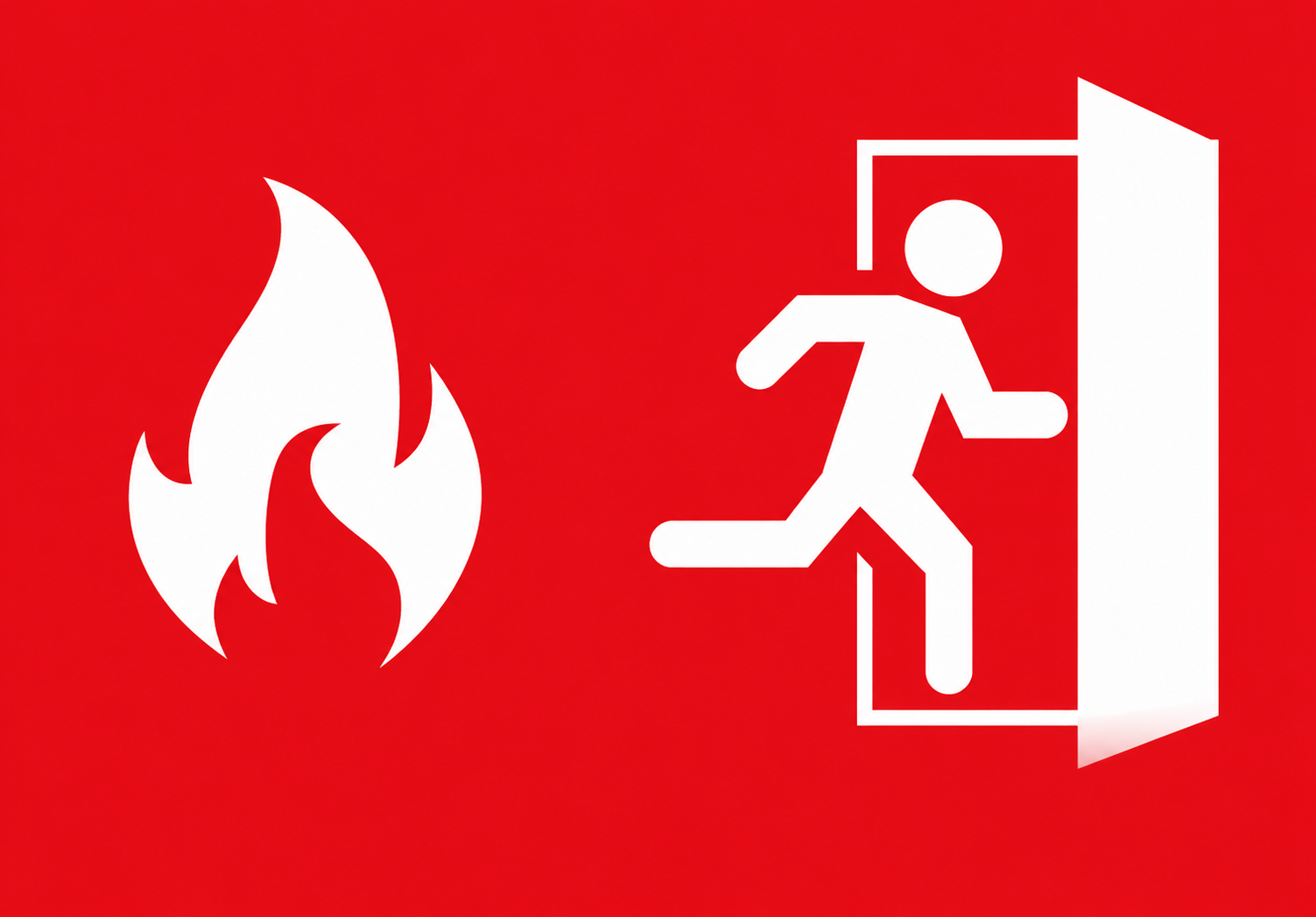
Fire Safety
Stay calm and evacuate immediately using the nearest safe exit. Do not use elevators during a fire. Call the fire department, alert others nearby, and only use a fire extinguisher if the fire is small and it is safe to do so. Never re-enter the building until authorities declare it safe.
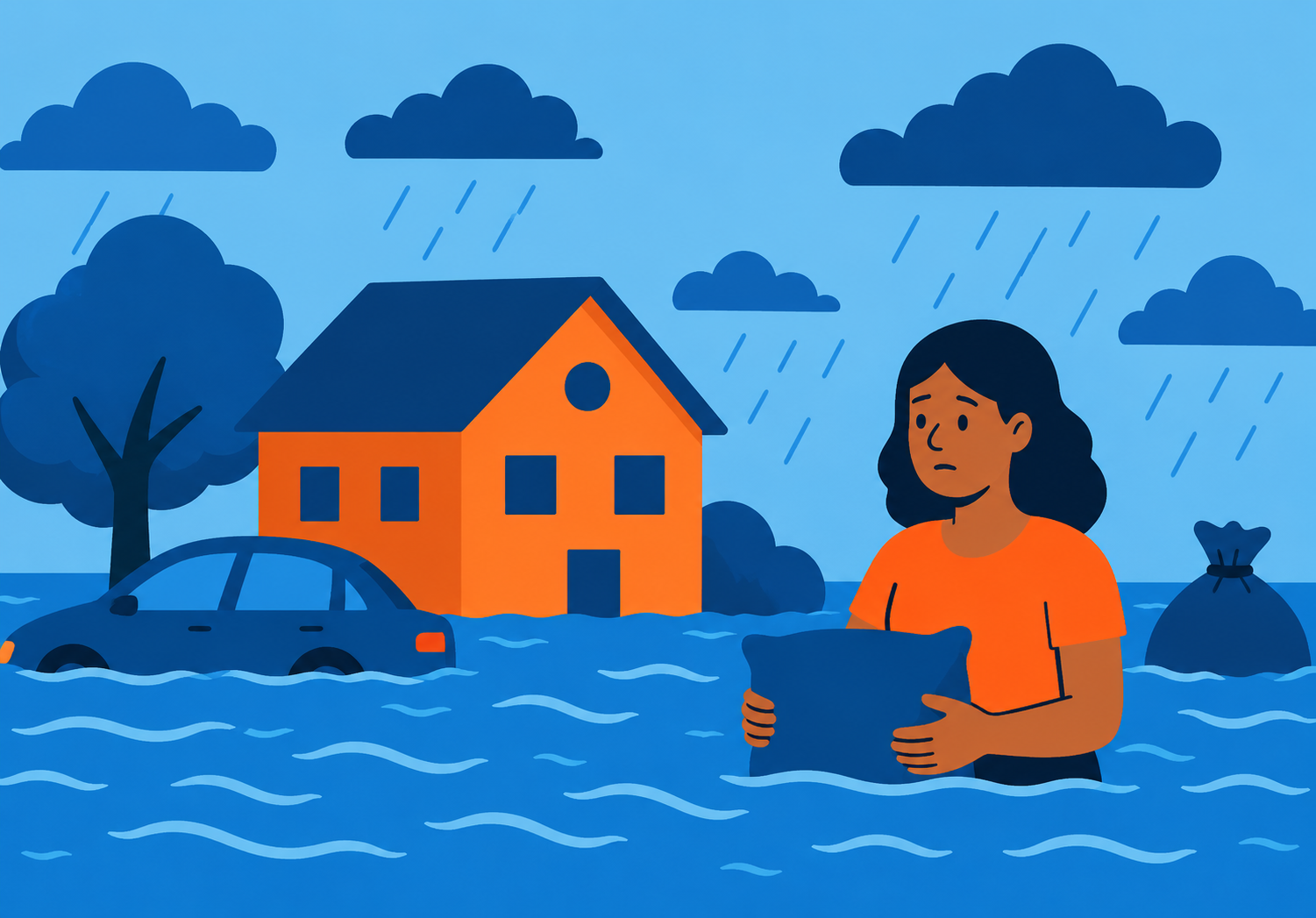
flood safety
Move to higher ground immediately and avoid walking or driving through floodwaters. Stay updated with official weather alerts, keep an emergency kit ready, and switch off electricity if it is safe to do so. Follow evacuation instructions and return home only after authorities declare the area safe.
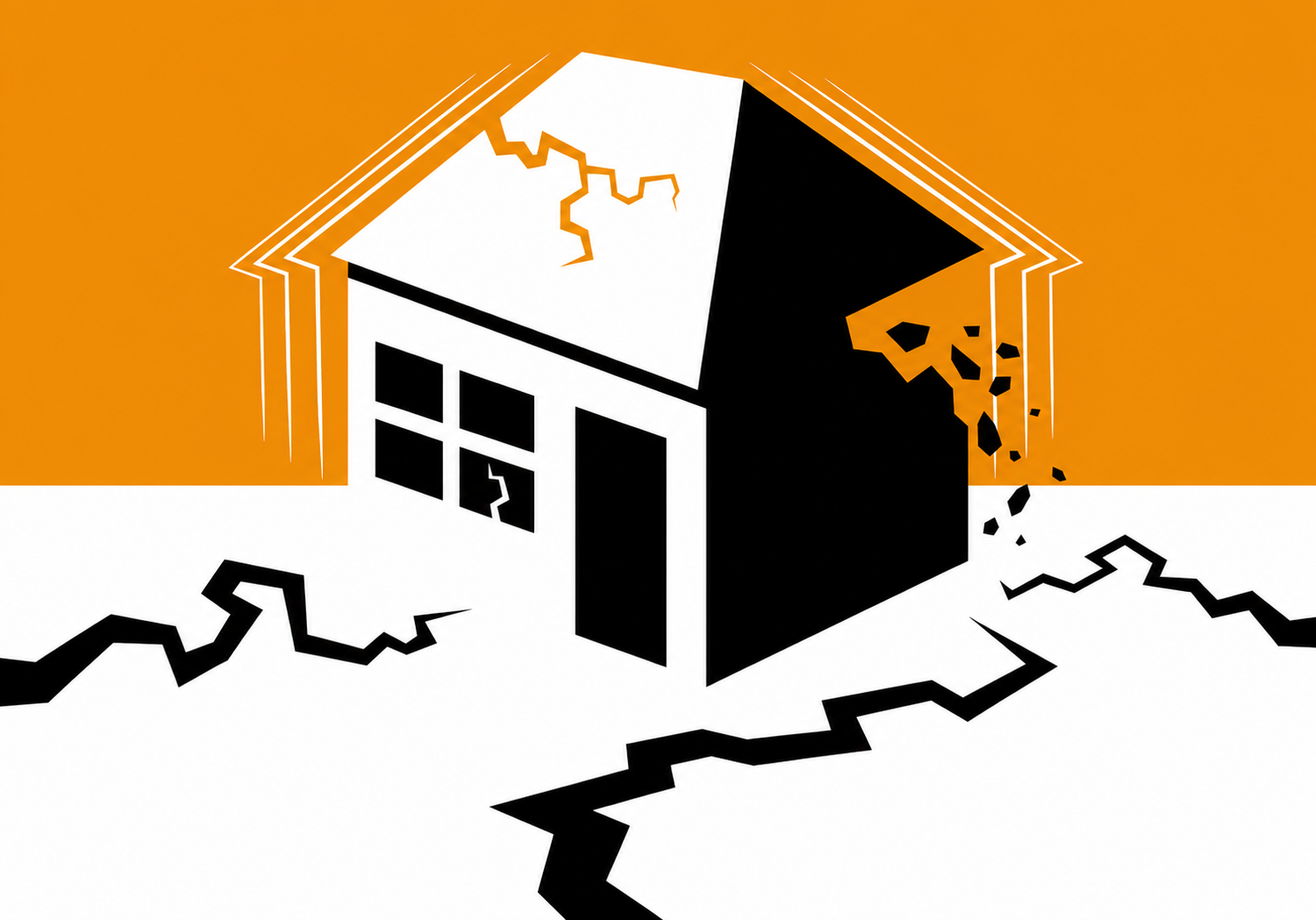
Earthquake Safety
Stay calm and Drop, Cover, and Hold On during an earthquake. Stay away from windows, heavy furniture, and objects that may fall. If you are outdoors, move to an open area away from buildings and power lines. After the shaking stops, check for injuries, avoid damaged structures, and follow official emergency instructions.
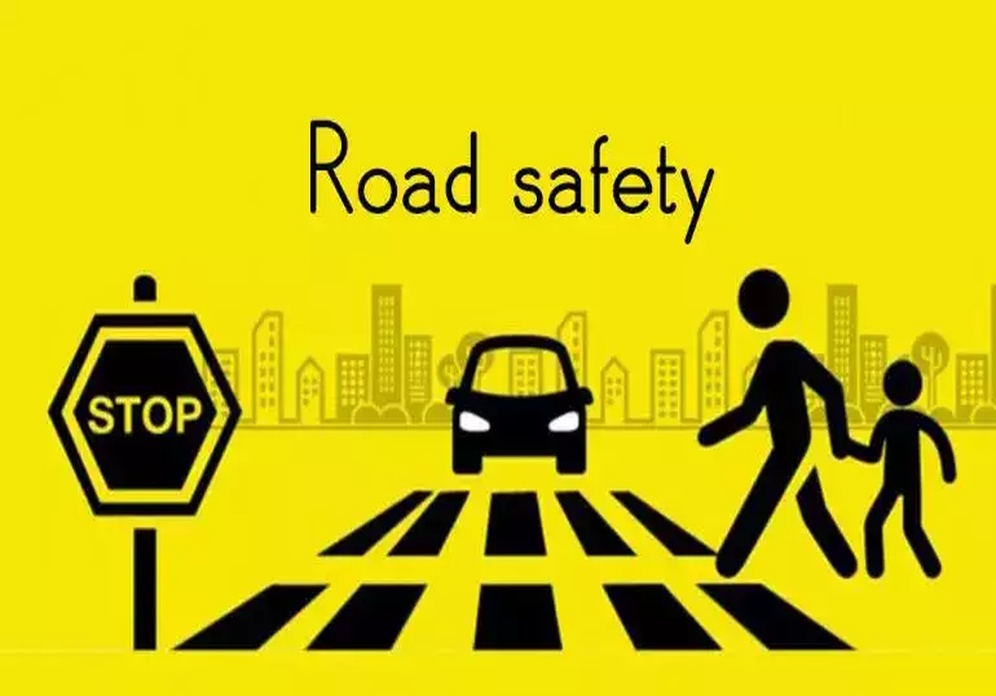
Road Safety
Road safety means following traffic rules and practicing responsible behavior to prevent accidents and protect lives. Always wear a helmet or seatbelt, obey speed limits, avoid using mobile phones while driving, and never drive under the influence of alcohol. Safe driving habits help ensure a safer journey for everyone on the road.
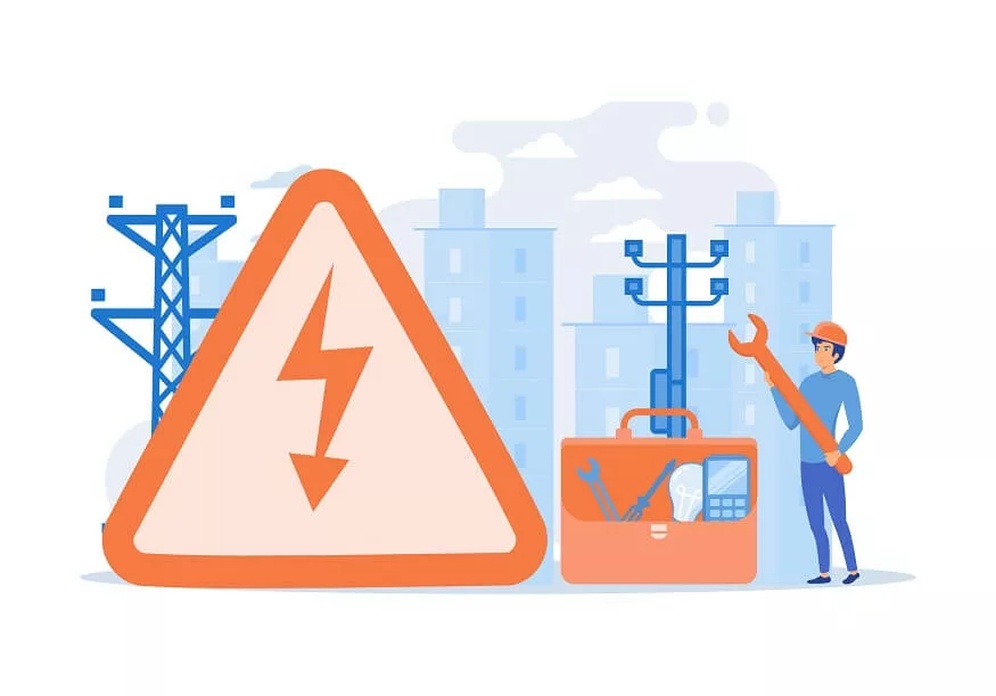
Electrical Safety
Rain increases the risk of electrical shocks and short circuits. Keep electrical appliances and outlets dry, avoid touching switches with wet hands, and never use damaged wires or extension cords. Unplug unused devices during thunderstorms and report fallen power lines immediately. Following these precautions helps
24×7 Emergency Helplines
Alert Systems
NTR District Emergency Alerts
Heavy Rain Alert
Heavy rainfall is expected across Vijayawada and nearby mandals. Avoid unnecessary travel and stay away from low-lying areas.
Power Maintenance
Scheduled electricity maintenance may affect selected areas of Vijayawada. Please plan your activities accordingly.
Traffic Diversion
Traffic has been diverted near Prakasam Barrage due to maintenance work. Please use alternate routes.
Heat Wave Advisory
Stay hydrated, avoid direct sunlight during peak afternoon hours, and take extra care of children and senior citizens.
Water Supply Notice
Water supply will be temporarily interrupted due to pipeline maintenance. Please store sufficient drinking water.
Krishna River Flood Watch
Residents living near the Krishna River are advised to stay alert and follow official instructions during increased water release.
Live Weather Updates
Stay informed with the latest weather conditions across NTR District, helping residents, visitors, farmers, and travelers make informed decisions every day. This section provides real-time weather updates, including current temperature, humidity, wind speed, rainfall, air quality, visibility, UV index, atmospheric pressure, sunrise and sunset timings, and weather forecasts.
NTR District experiences a tropical climate, with hot summers (March–June), a southwest monsoon season (June–October), and pleasant winters (November–February). During the monsoon, the district may experience heavy rainfall and occasional flooding in low-lying areas, while summers can bring high temperatures and heatwave conditions. Regular weather monitoring helps citizens stay prepared for changing weather patterns and natural hazards.
Whether you’re planning your daily commute, agricultural activities, business operations, tourism, or outdoor events, accurate weather information is essential. This page also helps visitors explore popular destinations in the district by providing up-to-date weather conditions before they travel.